Anchors Aweigh – A How To For Caribbean Sailing
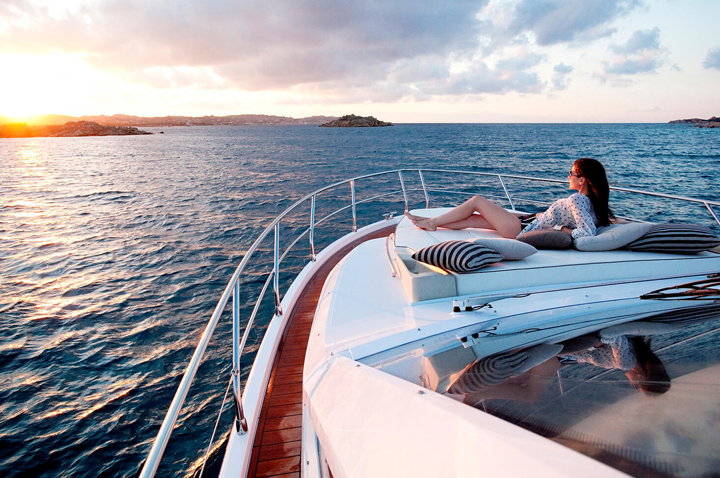
There is a thing magical approximately chartering a boat and crusing the transparent, turquoise blue waters of the Caribbean. There is not any finer manner to get a destroy and settle down than to sail from island to island. At some level at some point of your Caribbean sailing experience, besides the fact that children, possible desire to end. Whether you favor to fish, swim, snorkel or dive, have lunch or reside in a single day, you can still desire to in finding an anchorage and both anchor or use a mooring ball. Anchoring a boat securely is one of the most so much traditional qualifications in boat managing. The key's coaching and slow maneuvering. If you omit the primary time, do not be embarrassed. There is not very an skilled sailor afloat who has no longer encountered this obstacle. Just go round and start lower back. The principal aspect is to have it exact! By anchoring poorly, not in simple terms are you endangering your boat, but also the other boats anchored nearby. By following those information and options, one can consider optimistic that you're going to have dependable, problem-free anchoring.
Selecting the Anchorage
The first step in anchoring is to select an anchorage. Try to arrive at your anchorage slightly early ample within the afternoon. This lets in you sufficient gentle to steer clear of any shoals or different disadvantages like rock/coral heads, fish nets or boats, ferries, freighters, mooring balls, crab pots and cables. In addition, at some stage in top season (December to April) many regular spots all around the Caribbean became very crowded. By arriving early sufficient, you've excess time to go someplace else in the past nightfall.
When deciding upon an anchorage, there are countless matters to be mindful. For illustration, is the anchorage included? A awesome anchorage bargains renovation from the present day weather stipulations and will also present renovation from the expected weather. Are there any regional weather (wind) situations or publicity to swells that would make the anchorage too rolly? How good is the entrance and anchorage vicinity charted or marked?
How properly is the retaining? Charts should still point out the sort of bottom. Generally speakme, most anchors will dangle good in sandy bottoms. Rock, coral and shale stop anchors from digging in. If likely, stay clear of grassy bottoms, wherein it's miles very hard to set the anchor. How crowded, noisy, dirty or pungent is it? Is the band from the coastline bar going to save you up until the wee hours of the morning or is the diesel scent of the inter-island ferry going to detract from your most appropriate smell of paradise? How particularly is the anchorage while you sit in the cockpit playing the dawn or nightfall? How lengthy a dinghy journey is it to shore and is there a good area to dock the dinghy? What facilities are reachable on shore? What is the depth and tidal wide variety? Enough depth is needed so that low tide does not present boundaries your boat could swing into and it is usually tremendous while settling on scope. Finally, is there sufficient room? No subject in which your boat is anchored, the largest probable swing quantity will have to be viewed.
Getting Ready
Once you've gotten made a decision that the anchorage is an appropriate spot to discontinue in your Caribbean crusing journey, there are a few steps to take beforehand on the contrary anchoring. Before doing anything else else, determine a equipment of communique among the user on the helm and the group member losing the anchor. Remember that your engine will likely be walking and thus you will be unable to be in contact verbally. Hand indications in the main work most sensible. Furl the sails and broadly speaking make the boat shipshape before entering the anchorage. Also, shorten the dinghy painter (the road that attaches on the the front of the dinghy) in the event you are dragging the dinghy at the back of you. This prevents it from being sucked into the prop after you put the engine in opposite. Open the anchor locker hatch, and in the event that your anchor has a security line hooked up to the chain (sometimes found out only in mono hulls), untie and free up it. Get the anchor well prepared to be dropped by disengaging the anchor from the bow rollers. This is accomplished by means of riding the remote manage windlass (discovered in such a lot Caribbean sailing charters) to reduce the anchor approximately two to 3 feet. Make convinced all hands and feet are clear of the chain! Finally, take a travel of the anchorage at very slow velocity to get a experience of where you would really like to be.
Dropping and Setting the Anchor
After your journey of the anchorage, decide on your spot. As the most modern arrival in an anchorage, you have to anchor to retain transparent of boats already at anchor. Allow for any alternate in wind direction. It is continually safer to depart additional area around your boat. Make yes you can have ample room to fall back on the anchor with no lying too with reference to any vessel anchored in the back of you once you may have laid out a 7 to at least one scope. In frequent conditions, in the event you are utilising all chain, a secure minimum anchor scope ratio is five to at least one (chain size to depth).
In heavy climate, the scope ratio is 7 to at least one. Depth is the intensity of the water at top tide plus the peak from the water line to the bow roller. Scope is the truthfully quantity of anchor line (chain) paid out when the boat is accurately anchored. For example, if prime water is 20 feet deep and your bow roller is 5 toes above the water, you need 125 feet (5 x 20 five feet) of scope to anchor if by way of all chain, or one hundred seventy five toes if employing a 7 to 1 scope. Remember, setting out too little scope is among the such a lot wide-spread mistakes cruisers make whilst anchoring.
With the bow to the wind, slowly motor as much as the preferred spot. Stop the boat precisely wherein you desire the anchor to put and keep in mind the depth. Remember that whenever you are chartering a catamaran, a cat can provide much less resistance to the water than a mono hull and in this case takes greater time to slow down than a mono hull. Make positive the catamaran has fullyyt stopped. You can retailer a cat directly into the wind by means of through either engines at idle velocity. Once your vessel has lost all forward circulation, it truly is now time to drop and set the anchor.
Despite the term, “shedding anchor”, you under no circumstances desire to throw the anchor over the aspect or permit it run loose at present, for the reason that the chain will run out at a positive velocity and pile on itself instead of laying out immediately on the ocean bed. A piled anchor chain prevents the anchor from environment exact and may in point of fact foul the anchor. Instead, with the windlass, cut back the anchor shortly to the base. Let the wind slowly push your boat back- do now not attempt to reverse. Let out good enough scope as the vessel moves aft. If you're in a mono hull, don't worry about being broadside to the wind. When the preferred volume of scope has been let loose, snub the chain and enable the wind to straighten out the boat. Once the boat is headed with the bow into the wind, lightly placed the engine into opposite and throttle at 1500 rpm’s for approximately 15-20 seconds. This needs to set the anchor and the anchor chain should begin to straighten. If it vibrates or skips, set free extra scope. An anchor it's set will no longer shake the chain. Once you are convinced the anchor is about, turn off the engine. Put on your snorkel equipment and visually money the anchor to determine your boat is defend. If the anchor is lying on its edge, stuck in coral, or the chain is wrapped round a coral head, reset it.
When the anchor is firmly set, go searching for reference aspects in terms of your boat. These can come with other boats or fixed landmarks like a house, rock formation or tower. Over the following hour, relax for your cockpit and ensure that those reference factors are in the related situation. If not, you are typically dragging the anchor.
Dealing With the Dragging Anchor
If your boat is dragging anchor for the duration of the day, it is not really a significant problem. Start your engine and put it into idle tools. Try to let out extra chain. Wait a few minutes to see if the anchor units itself. If not, you can have to re-anchor. If you boat is dragging at night time, it will become a little bit more difficult. If you are slumbering and you do now not come upon whatever, you would possibly not even realize you dragged except a better morning whilst you wake up in a totally different region. I even have neighbors who're relatively skilled sailors. They genuinely wakened in a completely alternative anchorage after a evening of dragging. On the opposite hand, you might transform conscious about night time dragging when other persons inside the anchorage leap screaming and flashing lighting fixtures at your boat. Start your engine and retain it idling. Try to set free greater chain and wait to peer if the anchor resets itself. If no longer, you can must re-anchor. Use your depth sounder to attempt to discover one other spot to anchor. Keep all the lights on the boat off to get the top of the line nighttime vision imaginable. Slowly go to some other spot with critical warning. If your neighbor’s boat is dragging at some stage in the day, attempt to get their cognizance. Put out fenders to prevent smash on group yacht charters Cayman your boat. If nobody is on board the dragging boat (they are onshore drinking on the nearby beach bar), one can either get aboard their boat and reset the anchor, or in the event you should not cozy doing that, you can also ought to stream your personal boat. During the evening, if you are without warning jolted wakeful whilst one other boat hits yours, directly begin the engine and shop it idling. Wake up the team of the other boat (yell, flash your lighting, and so forth), put out fenders and do almost like all through the day.
The Mooring Ball Option
Throughout the Caribbean, yet specially inside the British Virgin Islands, professionally maintained mooring balls are positioned in many anchorages and are achievable for in a single day use for a small value. A mooring is a buoy hooked up to an incredibly heavy anchor or weight. Besides defending the coral from hurt performed by an anchor, opting for up a mooring ball has 3 different blessings. First, you do no need to visit the bother of the usage of your anchor. Second, the mooring’s anchor regularly is by no means going to tug. And 3rd, given that the mooring’s anchor is so heavy and deeply imbedded in the sea backside, much less scope is needed and, in this case, the boat will swing round in a tighter radius than it is going to on its possess anchor.
As in anchoring, system the mooring aspect slowly with your dinghy pulled in on a quick painter. Have a crew member equipped with a boat hook on the bow to direct you and to decide upon up the mooring pennant (a line with a loop at the finish). Have one quit of a line connected to a bow cleat with the loose cease close by. If you've got you have got chartered a catamaran, one line is sufficient. If you could have chartered a mono hull, nevertheless, connect a 2d line to the alternative facet bow cleat. Point the bow of the boat into the wind and slowly mind-set the mooring ball. By transferring alternately from ahead to impartial, which you can coast in opposition to the ball. Shift into reverse to forestall the boat because the group member lifts the pennant on board and passes the loose conclusion of the road(s) by means of it. Quickly cleat off the unfastened end of the road on the opposite bow cleat for a catamaran or at the same part for a mono hull.. On a mono hull, the two traces evade chafing and limit the hazard of breaking unfastened from the mooring ball. On a catamaran, the line hangs low ample that chafing from tension is infrequently a situation. Again, do not be embarrassed whenever you pass over identifying up the pennant the primary time- it has happened to all and sundry! Just circle round and take a look at it again. Once secured, adjust the strains, if imperative.
To depart a mooring ball, be certain that the dinghy is once again on a short painter. Un-cleat the road(s) and merely permit cross of the pennant. Take care no longer to run over the mooring buoy and pennant as you go away to your subsequent Caribbean crusing destination.
Weighing Anchor
Before elevating the anchor, preparation is back obligatory. Make yes that unfastened goods are stowed and hatch covers are closed. (The anchor locker hatch cowl must be open). Shorten up the dinghy painter once more. Start the engine. Most charter boats require the engine directly to operate the windlass. Have a workforce member stand on the such a lot ahead level at the bow with the windlass remote manage. Using hand signs, the team member instructs the helmsman to head the boat forward very slowly within the route of the chain. Make definite the helmsman stops the movement of the boat earlier than overshooting the anchor. While the chain is slack, get started cranking it up. When you get to the snubber, positioned down the far off and do away with the snubber. Then resume cranking. When the chain is taut lower back, with hand indicators, train the helmsman to move the boat forward returned in the course of the chain. The complete suggestion of it really is to evade utilizing the windlass to transport the boat forward, as this motives implausible pressure at the windlass and on the chain roller. At one element, you can still uncover the boat straight above the anchor. Finish cranking the chain until eventually the anchor is the complete way up and settled on the rollers. Signal the helmsman that the boat is unfastened. Reattach the protection line to the anchor chain if it has one, stow the remote keep an eye on and at ease the anchor locker hatch. Then return to the cockpit to aid boost the sails.
No count number the place your Caribbean crusing journey takes you, one day you may choose to give up. Anchoring is among the many so much noticeable activities one could do although cruising. Anchoring is as a good deal an artwork as a science. The helmsman and group must orchestrate their efforts with Cayman Islands yacht charter hire the wind, latest and vessel. The principal thing to recollect is not really to be embarrassed. Even the so much skilled sailors have hindrance anchoring at instances. As the antique adage says, “Practice makes easiest.” To ideal your anchoring advantage and delight in the maximum enjoyable holiday ever, touch Virgin Island Sailing to organize your charter. Nothing else beats Caribbean crusing!